The most common invoicing mistake in this trade is not a wrong number. It is a correct number the client cannot reconcile against what they have already paid you, which turns a two-minute payment into a three-email exchange.
Show the whole arithmetic
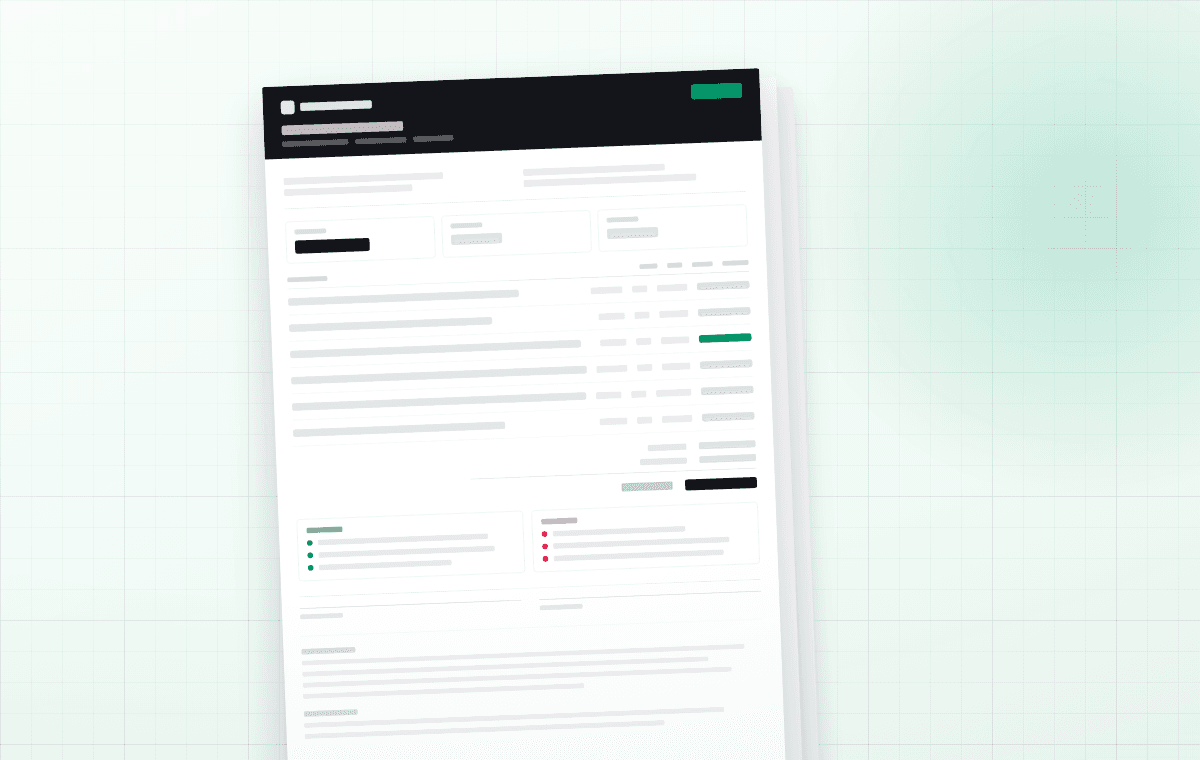
The client's question is always the same: how much do I owe you now, and does that include the deposit? Answer it before it is asked, in four lines.
That deposit line is the entire point of the document. It is the difference between an invoice that gets paid and one that gets forwarded to a spouse with a question mark.
The layout, top to bottom
Keeping the line items in the same order and wording as the accepted quote matters more than it sounds. A client comparing two documents that describe the same work differently will assume something changed.
List change orders separately
Do not merge an approved change into the original line items. The client approved a $4,996.04 contract and a $752.25 change; showing them a $5,748.29 contract they never agreed to is how a signed change order gets re-litigated at the end of a job.
Terms people actually honour
Net 15 on residential work, due on receipt when the crew is walking off site and the client is standing there with a phone. Late fees are worth stating and rarely worth charging — their value is that they make “when is this due” a question with an answer.
One number, one date, one way to pay that takes fewer than four taps. Every additional option on an invoice is a reason to deal with it later.