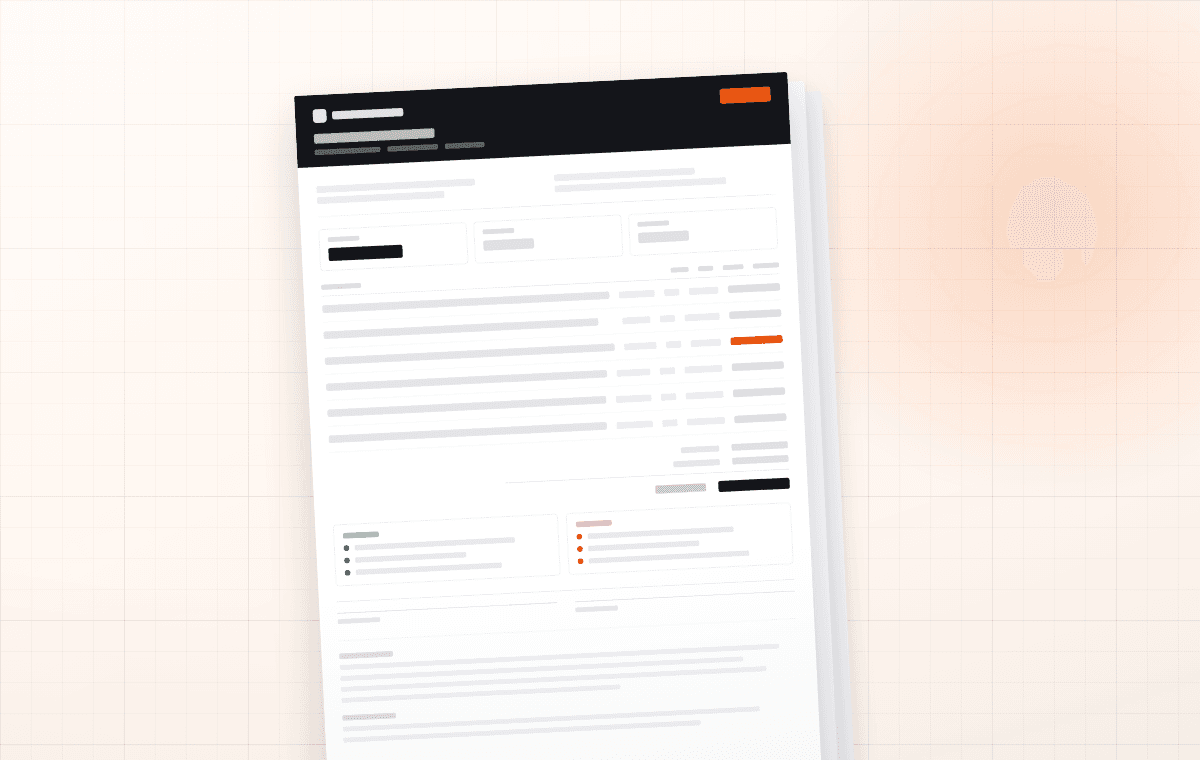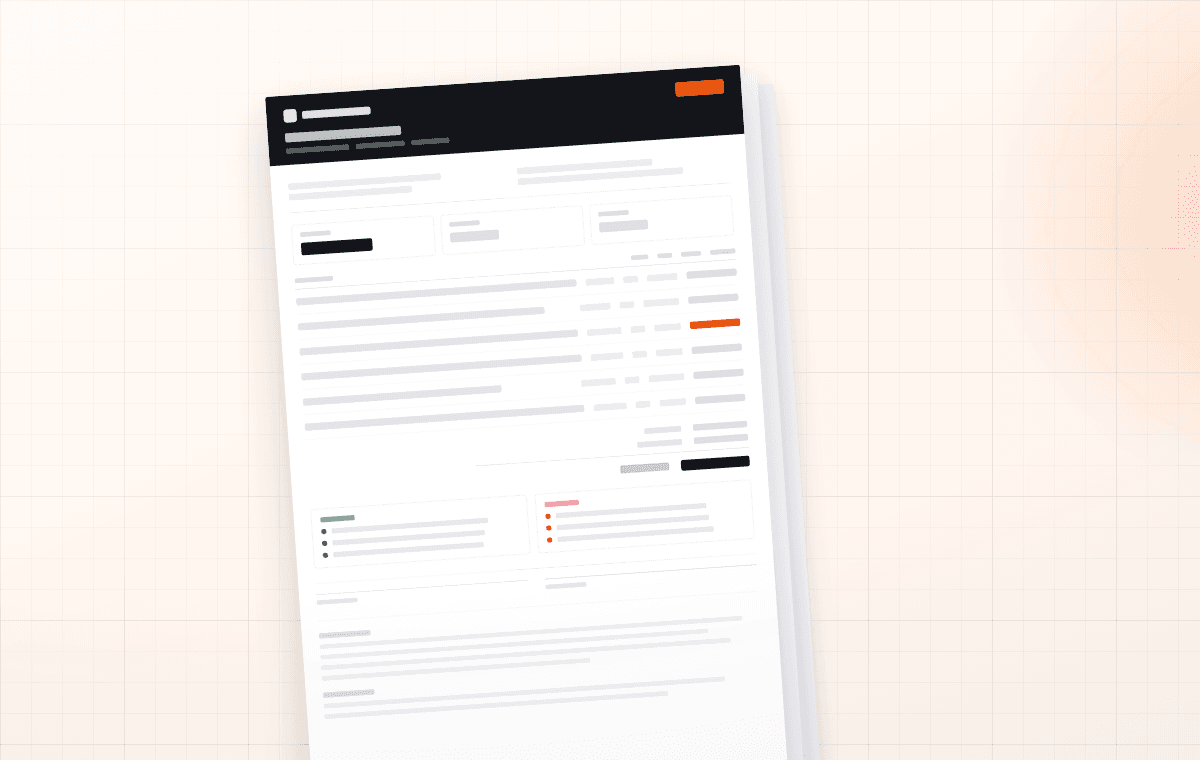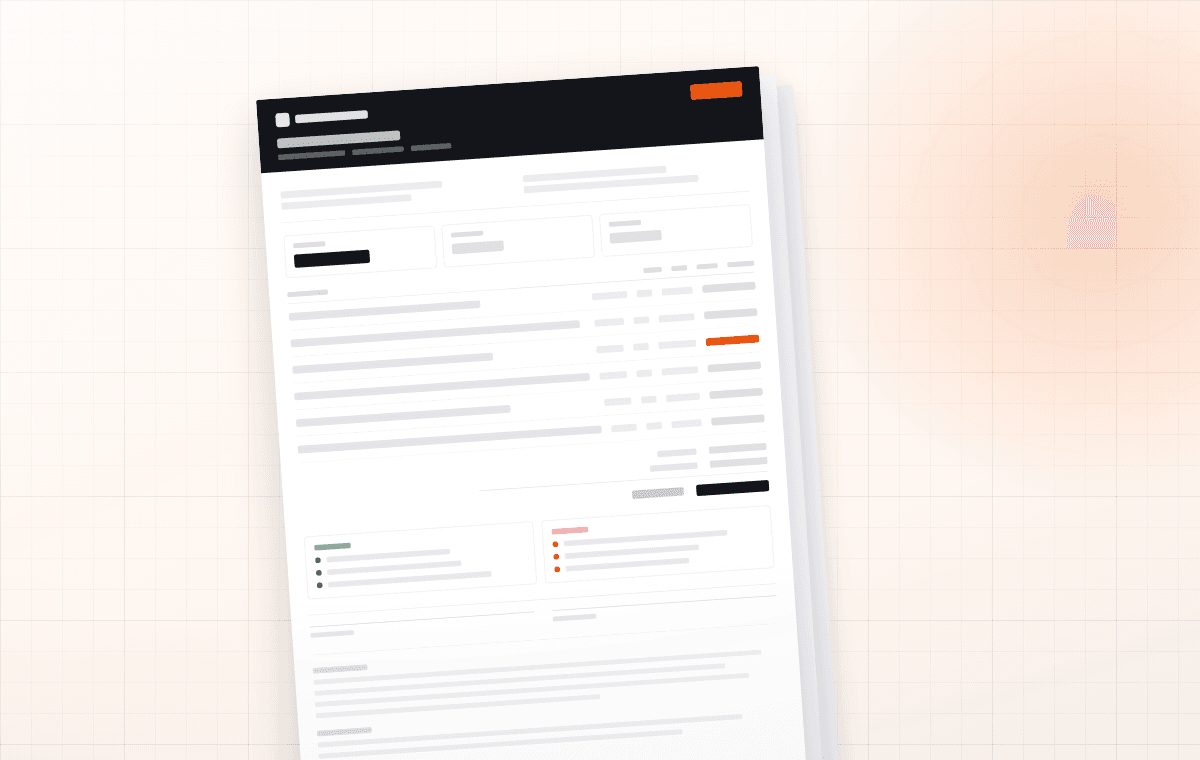
A quote is not a price. A price is one number on the last page, and by the time the client reaches it they have already decided whether to trust you. Everything above the number is doing the work.
This is the order clients actually read in, which is not the order most software puts things in.
The order they read in
Eye-tracking is a luxury nobody in this trade has, but you can watch a homeowner read a quote at a kitchen table and see the same pattern every time: total first, then scope, then the line that looks unfamiliar, then back to the total.
Which means the scope paragraph is the second most important thing in the document and most quotes do not have one. Two or three sentences, in the client's words, describing the finished result rather than your process.
Write the scope in their words, not yours
“R&R 3 bd, 1 hall, sand/seal, 2 coats poly” is a note to yourself. “We will refinish the hardwood in the three bedrooms and the hallway — sanding down to bare wood, filling the gaps, and putting on two coats of clear polyurethane. Your baseboards come off and go back on so there is no paint line at the floor” is a scope.
The second one is longer, and the second one wins jobs, because it is the only place in the document where the client can tell whether you have understood what they asked for.
Price in the units you actually measure in
If you measured square feet, quote square feet. If you bought material by the box, say how many boxes. The moment your line items stop matching how you think about the work, two things happen: you start making arithmetic errors, and clients start asking questions you have to look up the answer to.
Allowances are honest; padding is not
There is always something you cannot know until the work opens up. You have two options: pad every line quietly, or name the unknown and put a number against it. The second one survives being questioned.
An allowance says: we have budgeted $600 for subfloor repair; if it comes in under, you pay less; if it goes over, we will show you before we spend it. Clients accept that. What they do not accept is discovering that your “firm price” had a cushion in it after the job comes in early.
The two clauses that stop disputes
Exclusions and change-order handling. Both are short. Both feel adversarial to write and neither is.
“Any work beyond this scope will be quoted separately and started only after you approve it in writing” is one sentence, and it is the difference between a change order and an argument.
Put an expiry on it
Material prices move, your calendar fills, and a quote with no expiry date is a standing offer you have accidentally left open. Thirty days is standard and nobody has ever objected to it. It also gives you a reason to follow up that is not “just checking in”.